← Back to kitchen3 min read
Kitchen note
Roadside Grassland Restoration: Turning Challenges into Opportunities
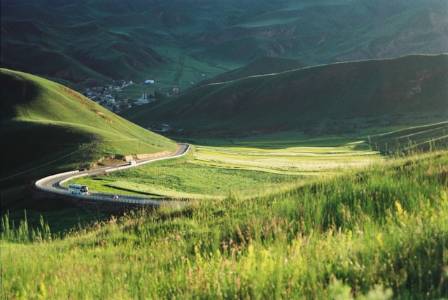
Roadsides cover a surprisingly large portion of our landscapes, and though often overlooked, they have the potential to play an important role in restoring ecosystems. When properly managed, these areas can provide habitat for native plants, support wildlife, and even deliver valuable ecosystem services such as erosion control and pollination. However, despite their potential, biodiversity-friendly restoration practices are rarely put into action.
E
Emma Brooks
Cook
Bench note
The full story and useful tips are below.
Shelf
Plant kitchen
Roadsides cover a surprisingly large portion of our landscapes, and though often overlooked, they have the potential to play an important role in restoring ecosystems. When properly managed, these areas can provide habitat for native plants, support wildlife, and even deliver valuable ecosystem services such as erosion control and pollination. However, despite their potential, biodiversity-friendly restoration practices are rarely put into action.
Why Roadsides Matter
The vegetation that grows along roads depends on several factors—how the roadside was created, the type of soil present, climate, and how the area is maintained. Many stretches are degraded or overrun by invasive species. Yet, in agricultural or urban areas where natural habitats are scarce, roadsides can serve as refuges for rare and endangered plants.
Restoring these areas is not easy. Roadsides face unique challenges such as compacted soils, exposure to pollutants like road salt and nitrogen oxides, and harsh microclimates. These conditions demand tailored solutions rather than standard approaches.
Current Practices and Limitations
Today, the most common method of roadside revegetation is hydroseeding—spraying mixtures of commercial forage grasses and legumes. While inexpensive, this often results in poor establishment, especially under stressful roadside conditions. More promising are restoration projects that use regional native seed mixtures, which adapt better to local conditions and support biodiversity. The problem is that these seeds are often difficult to source and more costly.
Successful restoration also requires thoughtful site preparation, including erosion control and improving soil conditions. But beyond the technical side, research in this field has been limited. Most studies focus on temperate regions and plant species, with little long-term monitoring. Important questions remain about how restored roadsides influence broader ecosystem services, wildlife, and resilience to climate change.
Balancing Trade-offs and Building Synergies
Like most conservation efforts, roadside restoration comes with trade-offs. Using native seeds and careful management costs more than conventional methods. Encouraging wildlife may raise concerns about road safety if it increases animal crossings.
Yet, there are also strong synergies. Native grasslands, for example, require less frequent mowing, which reduces both costs and risks for maintenance workers. Diverse roadside vegetation also helps prevent erosion, lowers the spread of invasive plants, and creates a safer driving environment by improving visibility.

Moving Forward: Opportunities in the UN Decade on Restoration
As countries invest in large-scale ecological restoration, roadsides represent an underutilized but valuable piece of green infrastructure. To unlock their potential, several steps are essential:
Closer collaboration between ecologists, road planners, and agencies.
Investment in native seed production to make local species more affordable and accessible.
Adopting biodiversity-friendly management, such as moderate mowing frequencies and the protection of remnant semi-natural roadside grasslands.
Prioritizing roadside restoration near protected or high-value landscapes, where it can strengthen habitat networks and connectivity.
Conclusion
Roadsides may cover only a small fraction of the land, but their visibility, extent, and connectivity make them powerful allies in global restoration efforts. By shifting from conventional grass seeding to strategies rooted in ecology, these overlooked spaces can transform into living corridors that support biodiversity, enhance ecosystem services, and contribute meaningfully to the goals of the UN Decade on Ecosystem Restoration.

More from the kitchen

· en
The 10 Biggest Buses in the World, Ranked
Mia
· en
A hidden village carved into a cliff
Nova Sinclair

· en
5 Best Trampolines for Kids and Adults
John

· en
Plumeria: A Tropical Flower with Hawaiian Charm
Mason Hale

· en
10 Most Affordable New SUVs Available in 2025
Jennifer Wallace

· en
5 Steps to a Cleaner Bedroom!
Lane Brooks