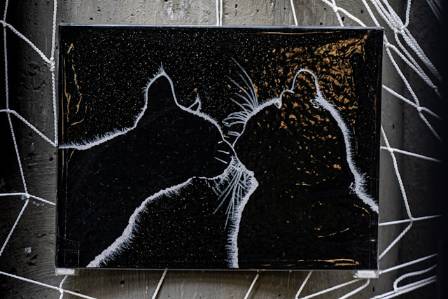
Kitchen note
Cat Lover's Guide to Acrylic Painting
If you adore cats and want a fun, creative way to celebrate them, acrylic painting is a fantastic choice. With bold colors, simple tools, and beginner-friendly methods, acrylics make it easy to create eye-catching artwork inspired by your favorite furry companions. Whether you’re new to art or already experienced, this guide will walk you through everything you need to start painting cats—from selecting materials to adding fine details that bring your subject to life.
Harper Lewis
Cook
Bench note
The full story and useful tips are below.
Shelf
Plant kitchen
If you adore cats and want a fun, creative way to celebrate them, acrylic painting is a fantastic choice. With bold colors, simple tools, and beginner-friendly methods, acrylics make it easy to create eye-catching artwork inspired by your favorite furry companions. Whether you’re new to art or already experienced, this guide will walk you through everything you need to start painting cats—from selecting materials to adding fine details that bring your subject to life.
Getting Started with Acrylic Cat Painting
For anyone who loves cats (and maybe even dogs), painting with acrylics is a wonderful creative outlet. These paints are known for their rich pigmentation and ease of use, making them ideal for capturing the charm and personality of animals. By learning a few basic techniques and even following paint-by-numbers references, artists of all levels can begin creating expressive pieces on canvas.
Cats in Art History
Felines have appeared in art for centuries, often symbolizing luck, mystery, independence, or elegance. Their playful and curious nature makes them a popular subject across paintings, drawings, sculptures, and more. From traditional artworks to modern pop culture icons like Garfield, Hello Kitty, Grumpy Cat, or Lil Bub, cats have firmly secured their place in artistic expression.
A well-known example of feline-inspired art is The Sleeping Gypsy by Henri Rousseau, which features a lion resting under a night sky—demonstrating how even large cats inspire imagination. Another notable piece is The Cat’s Cradle by Gustav Klimt, filled with vivid colors and decorative detail.
Artists such as Sandro Botticelli and Charles Dana Gibson also included cats in their work, highlighting their elegance and companionship. Beyond painting, sculptors like Auguste Rodin created pieces such as The Cat Family, showcasing the emotional bond between animals.
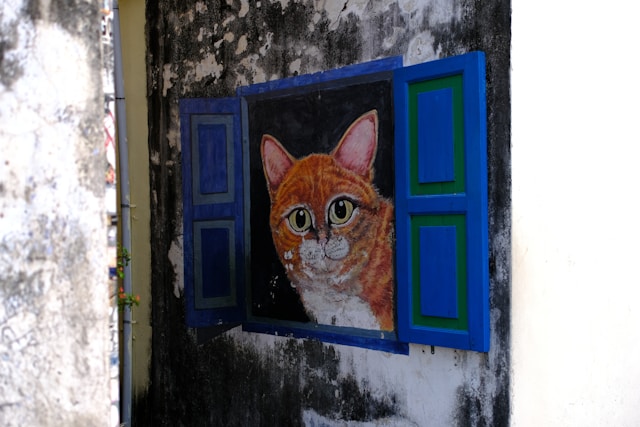
Creating Your Own Cat Artwork
Drawing and painting cats can be both relaxing and rewarding. Start with simple shapes—circles and ovals for the head and body—then sketch in features like legs, tail, eyes, and ears. Paying attention to small details like whiskers, fur texture, and ear shape helps capture a cat’s unique personality.
When adding color, begin with lighter tones and gradually layer darker shades to create depth. Experiment with brush techniques such as stippling or sweeping strokes to mimic fur. Always consider lighting and shadows, as these elements make your artwork feel more realistic. Step back occasionally to review your progress and adjust as needed.
Using Paint-by-Numbers Kits
Pre-designed paint-by-numbers kits are a great option for beginners or anyone looking for a relaxing activity. These kits include a canvas with numbered sections, acrylic paints, and brushes. By following the guide, you can gradually build a detailed image of a cat while enjoying the process.
They also bring a nostalgic feeling, reminding many people of childhood creativity. Plus, they’re perfect for sharing with family—kids and adults alike can collaborate on a painting and enjoy the finished piece together.
Custom Kits for Personal Touch
If you want something more personal, custom paint-by-numbers kits let you turn a photo of your own cat into a painting project. These kits come with tailored outlines, color palettes, and instructions to help you recreate your pet’s likeness. Larger canvases usually allow for more detail, making the final artwork even more impressive.
Helpful Tips for Better Results
Choose a larger canvas if you want more detail.
Match your paint colors closely to your reference image.
Use brushes designed for acrylic painting for smoother application.
Start with light layers and gradually build darker tones.
Try different brush techniques to create realistic fur textures.
Pay attention to light direction and shadows.
Step back regularly to evaluate your work.
Final Thoughts
Painting cats with acrylics is an enjoyable way to develop artistic skills while expressing your love for animals. Whether you prefer sketching, freehand painting, digital tools, or paint-by-numbers kits, there are endless ways to explore your creativity. With patience and practice, anyone can produce beautiful, lifelike artworks that capture the spirit and personality of their feline friends.
So gather your supplies, embrace the process, and start creating—your next masterpiece might just be a portrait of your favorite cat!
More from the kitchen

· en
Lone Trees Across the National Grasslands
Cassian Lowell

· en
15 Fascinating Skateboarding Facts
Benjamin Scott

· en
Best Beach Boardwalks in the United States
Olivia Bennett

· en
7 Of The Largest RVs You Can Own
Isabella Hayes

· en
7 Joys and Benefits of Picnicking
Emily
· en
Wood Carving - A Traditional Art from Thousands of Years
Willow