← Back to kitchen2 min read
Kitchen note
Uncovering the Hidden Tales of Hyangwonjeong Pavilion
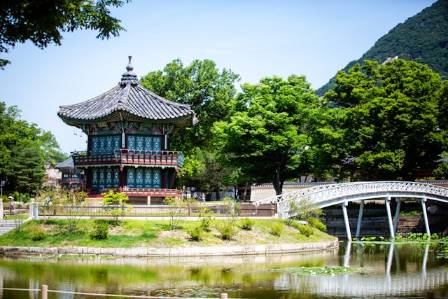
Nestled serenely within the rear garden of Gyeongbokgung Palace, the delicate hexagonal structure of Hyangwonjeong sits on an island in the square pond called Hyangwonji. Though it appears tranquil and private, this pavilion harbors fascinating stories beneath its calm surface.
C
Chloe Anderson
Cook
Bench note
The full story and useful tips are below.
Shelf
Plant kitchen
Nestled serenely within the rear garden of Gyeongbokgung Palace, the delicate hexagonal structure of Hyangwonjeong sits on an island in the square pond called Hyangwonji. Though it appears tranquil and private, this pavilion harbors fascinating stories beneath its calm surface.
A Royal Retreat with Privacy at Its Core
Unlike the imposing halls of the palace used for banquets or official ceremonies, Hyangwonjeong was built for the personal comfort and relaxation of the royal family. The two-storey pavilion, set in a secluded garden space, featured a warm ondol (under-floor heating) system on its lower floor, and a colorful balcony on the upper floor—offering a cozy spot for the royals to read, rest or simply enjoy the view.
Spotlight on Modernization & Unexpected Consequences
One lesser-known episode occurred in 1887, during the reign of King Gojong. In an effort to modernize the palace, some 750 light-bulbs were imported from the Edison Electric Company and installed throughout the royal grounds. However, the installation at Hyangwonji pond had unintended results: the pond’s water—used as coolant for the generator—heated up, causing fish both inside the pond and on its banks to die from electrocution. Frightened locals attributed the event to malevolent spirits (or even a goblin’s curse), and the lighting was temporarily shut down.
The Bridge That Moved (and Moved Back)
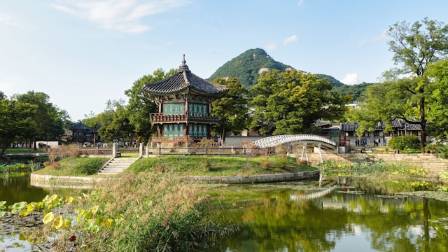
The stone-and-wood bridge called Chwihyanggyo Bridge connected the islet pavilion to the palace grounds. Originally it spanned from the north side of the islet. During the devastation of the Korean War the bridge was destroyed; a reconstruction placed it on the south side instead, which altered the spatial and symbolic relationship of the pavilion and its pond. Only later was the bridge relocated back to its original northern axis, restoring the intended orientation.
Staircases that No Longer Lead Anywhere
Beneath the pavilion, visitors can still find four short steps leading down toward the pond. Originally these stairs linked the bridge and the islet’s walking path. But once the bridge was returned to its northern position, the staircases lost their functional purpose—modern visitors may climb them out of curiosity, but they now serve as a quiet relic of a changed landscape.
Beyond the Beauty: Layers of Meaning
At first glance, Hyangwonjeong may appear simply a romantic retreat—a pavilion floating above a reflective pond amid trees. But when you dig a little deeper, you’ll discover stories of modernization, cultural shifts, spatial re-orientation, and hidden technology (the ondol system) tucked within its structure. Understanding these layers allows you to appreciate the pavilion not just as a picturesque landmark, but as a symbol of Korea’s tradition, innovation and resilience.
More from the kitchen

· en
Cool Fits For The Great Outdoors
Evelyn Rosalie

· en
Must-Try Milkshake Recipes
Emma Watson

· en
Dongchuan Red Land: Where China’s Hills Turn Red
Elara Whitman

· en
Dolphins: The Carnivorous Maestros of the Oceans
Caius Thorne

· en
How to Make a Fruit Slushie
Isolde Ray

· en
Novel Ways With Bedroom Books
Colin Bennett