Kitchen note
Still lifes in 17th century paintings
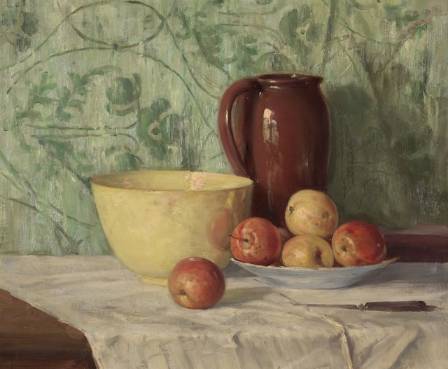
A porcelain dish filled with fruit. A carefully arranged bouquet in a vase. A plate of remnants beside a smoking pipe. These are everyday, unremarkable objects, yet when rendered with extraordinary skill, they become timeless artworks.
Amy Brown
Cook
Bench note
The full story and useful tips are below.
Shelf
Plant kitchen
A porcelain dish filled with fruit. A carefully arranged bouquet in a vase. A plate of remnants beside a smoking pipe. These are everyday, unremarkable objects, yet when rendered with extraordinary skill, they become timeless artworks.
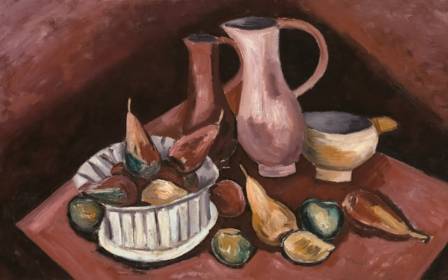
These paintings are known as still lifes. In this genre, the subject matter consists of objects that remain motionless—true to the name—apart from the occasional insect that may appear within the composition. Masters such as Rembrandt van Rijn, Rachel Ruysch, and Pieter Claesz created highly detailed still life paintings that are admired for their realism.
The rise of a distinct genre
Still life painting did not fully emerge as an independent category until the 1600s. While fruits and flowers appeared in ancient Roman wall paintings and medieval religious works, they were typically secondary elements rather than the central focus. It was during the 17th century that still life became a leading genre, particularly in regions such as the Netherlands and Flanders, where demand from wealthy patrons helped it flourish.
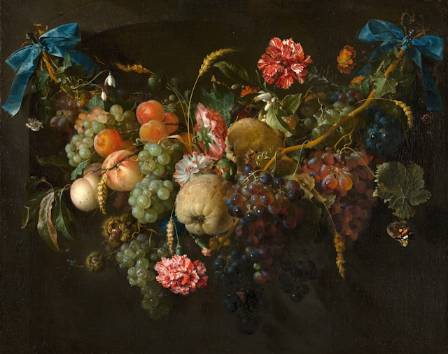
Artists began to specialize within the genre. Some focused on arrangements of fruit, others on floral compositions, and others on symbolic “vanitas” works. This specialization allowed painters to refine their techniques, develop recognizable styles, and cater to a growing art market. Many still lifes from this period included luxurious imported goods—spices, exotic fruits, or rare objects—reflecting global trade. These paintings often functioned as symbols of wealth, status, and sophistication for the owners who displayed them in their homes.
Vanitas symbolism
Not all still lifes were purely decorative. Many carried deeper philosophical messages. In works such as Pieter Claesz’s Vanitas Still Life, ordinary objects like a candle, an empty glass, a pocket watch, and a human skull are arranged deliberately to convey meaning. Seventeenth-century viewers would have immediately recognized these as symbols of vanitas—a reminder of the fleeting nature of life, success, and material possessions.
Alongside fading flowers and leftover food, these objects communicated the idea that earthly pleasures are temporary. The underlying message was moral and reflective: one should not become overly attached to wealth or worldly achievement. Instead, people were encouraged to live virtuously and remember mortality. This concept is often summarized by the Latin phrase memento mori, meaning “remember that you must die.”
Still life paintings, therefore, combine technical precision with philosophical depth, transforming ordinary objects into powerful reflections on life, time, and human existence.
More from the kitchen

· en
Spring Around the World in 10 Paintings
Hayden Cole

· en
Smart Glasses: A New Generation of Wearable Technology
Finn Parker

· en
The world’s most beautiful lighthouses
Isolde Mercer

· en
Masala Chai: A Flavorful Elixir with Timeless Health Benefits
Stella

· en
2025 Men’s Suit Trends: Bold Statements & Timeless Sophistication
Ava

· en
Wood Carving - A Traditional Art from Thousands of Years
Willow